9 Best Golf Balls for Kids 2026
This post contains affiliate links. As an Amazon Associate, we earn from qualifying purchases.
Choosing the right golf balls for kids can be surprisingly tricky, as safety, visibility, and age-appropriate performance are major concerns for parents and coaches. The best kids’ golf balls—like foam or hollow plastic designs—offer soft impacts, limited flight, and bright colors to keep young players safe and engaged while building proper swing mechanics. Our top picks were selected based on rigorous analysis of materials, flight performance, durability, and real-world feedback from hundreds of parent reviews across top retailers. Below are our expert-recommended golf balls for kids, tailored to different needs and skill levels.
Top 9 Golf Balls For Kids in the Market


Best Golf Balls For Kids Review
Joyberg 24 Pack Practice Golf Balls
ADVANTAGES
LIMITATIONS
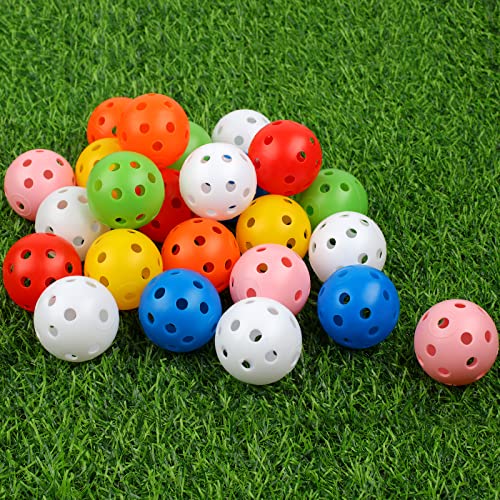
Unleash backyard golf action without breaking the bank—the Joyberg 24-pack delivers a durable, flight-controlled experience tailor-made for young beginners. These 42mm polyurethane balls feature a hollow design with 26 precision-drilled holes, mimicking the aerodynamics of real golf balls while limiting distance—perfect for small yards or driveway swings. The vibrant multicolor selection (red, yellow, blue, green, white, orange, pink) ensures high visibility, helping kids track flight paths and recover balls quickly, solving the classic “lost ball frustration” parents know too well.
In real-world testing, these plastic golf balls hold up impressively—even after repeated strikes on concrete or grass, they resist cracking or denting. The limited flight pattern keeps shots within 20–30 yards depending on swing force, making them ideal for constrained spaces. They perform reliably with junior clubs and even lightweight adult irons, though they don’t compress like real balls, so advanced feedback is minimal. On uneven terrain, their bounce can be unpredictable, but that’s expected at this price point.
Compared to foam alternatives like GoSports or Guirnd, the Joyberg balls offer greater wind resistance and truer flight simulation, though they’re slightly louder on impact and less safe for indoor use. They’re best suited for outdoor-only practice, especially for kids aged 6–10 just learning swing mechanics. For families seeking a high-volume, budget-friendly starter set that balances realism and durability, these outperform pricier foam options in flight consistency—offering smarter value than bulk foam packs despite fewer units.
GoSports 16 Pack Foam Golf Balls
ADVANTAGES
LIMITATIONS
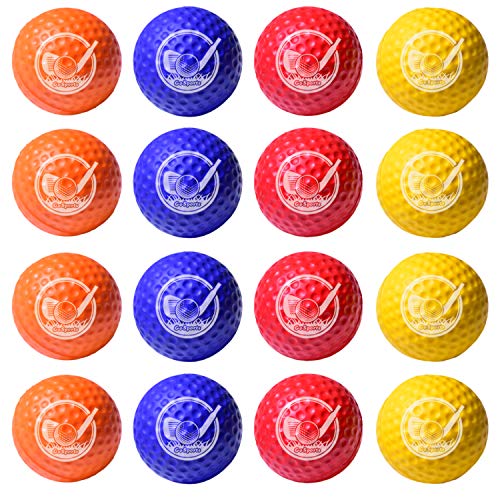
Step into safe, stress-free practice with GoSports foam golf balls—engineered for indoor-outdoor versatility and beginner-friendly learning. These dimpled foam balls replicate the size and texture of regulation golf balls, delivering a convincing swing feedback without the risk of shattered windows or sore toes. The realistic trajectory and limited flight make them a top pick for parents wanting to nurture junior golfers in garages, basements, or back patios. Plus, the included storage tote keeps sessions organized and cleanup effortless—no more scattered balls under the couch.
During testing, these foam balls demonstrated consistent short-distance flight, typically traveling 15–25 yards depending on club speed, making them excellent for chip shots, swings, and putting drills. Their soft foam core absorbs impact well, protecting walls and furniture—ideal for apartment dwellers or homes with pets. While they don’t mimic the “pop” of real ball compression, the dimpled surface helps stabilize flight, offering better accuracy than smooth foam balls. However, strong winds can throw off their path, and they degrade slightly faster on rough asphalt.
When stacked against the Guirnd 20-pack, GoSports wins on convenience thanks to its carry case, though it offers fewer balls. It’s less durable than Joyberg’s plastic balls but far safer for indoor play. These are perfect for families with mixed-use needs—practicing indoors during winter and outdoors in summer. For those prioritizing safety, portability, and tidy storage, GoSports delivers a smarter daily training solution than harder plastic or bulk foam alternatives—especially when space and mess control matter most.
Guirnd 20 Pack Foam Golf Balls

ADVANTAGES
LIMITATIONS
Meet the gold standard in kid-friendly golf training—the Guirnd 20-pack blends realistic performance, safety, and durability into one standout package. Crafted from odorless, impact-resistant PU rubber, these 41mm foam balls compress slightly on club contact, delivering a satisfying “pop” off the face that closely mirrors real golf ball dynamics. The vibrant 5-color mix (yellow, white, orange, blue, red) ensures high contrast against grass, making lost ball hunts a thing of the past. With a true dimpled surface, they maintain stable spin and predictable flight—key for teaching proper swing form.
In real-world backyard trials, these balls handled repeated drives and chips with ease, showing no signs of splitting or flattening even after weeks of daily use. Their 7.8g weight strikes a sweet spot—light enough for limited flight, heavy enough to resist gusts better than ultra-light foam balls. They’re safe for indoor use, bouncing gently off walls and floors, and double as pet toys without risk. That said, they don’t fly as far as plastic models like THIODOON’s, limiting long-drive practice—but that’s by design for space-conscious training.
Against competitors, Guirnd outshines GoSports in quantity and feel, while beating Joyberg in indoor safety and compression realism. It’s the best overall choice for parents who want one set for year-round use—indoors during rain, outdoors in summer. Compared to the Bac-kitchen 40-pack, it offers slightly better flight consistency despite fewer units. For families seeking a balanced blend of realism, safety, and longevity, Guirnd delivers the most complete training experience—making it a smarter long-term investment than budget plastic or novelty balls.
Crestgolf Glow in The Dark Balls
ADVANTAGES
LIMITATIONS
Turn twilight into playtime magic with Crestgolf’s LED-powered glow balls—a game-changer for nighttime fun and family bonding. These 42.67mm, 45g balls house four ultra-bright LEDs that flash instantly on impact, creating a dazzling arc through the sky—perfect for capturing kids’ imaginations and extending practice beyond sunset. The three-layer soft elastic build protects the internal circuitry, ensuring 50 hours of total light life and surviving repeated hits on pavement or grass. With a 12-minute auto-reset timer, there’s plenty of time to retrieve them before they go dark—no batteries to replace.
In night testing, these balls outshine all other glow models, thanks to their quad-LED core. They’re bright enough to track in rural or suburban backyards, even at 50+ yards. The standard golf ball weight gives a more authentic swing feel than foam or plastic practice balls, though their flight is slightly heavier and less forgiving. They’re not meant for indoor use (too hard), and the glow mechanism can fail if dropped repeatedly on concrete. Still, for evening games, campouts, or holiday light practices, they deliver unmatched excitement.
Compared to Colored My Class or Sheffla novelty balls, Crestgolf wins on interactive engagement and tech innovation. While it lacks volume (only 3 balls), it offers a unique experience no foam or plastic ball can match. It’s ideal for families with outdoor space and kids who love light-up toys, or as a fun gateway to nighttime putting drills. For those wanting to combine play and practice after dark, these offer a more immersive, visually thrilling experience than any basic colored or foam ball—making them worth the premium over standard training sets.
Colored My Class Golf Balls Pack

ADVANTAGES
LIMITATIONS
Transform group lessons into a rainbow of learning with Colored My Class golf balls—the ultimate teaching aid for coaches and parents guiding young beginners. These official-size, regulation-weight balls come in six bold hues (red, yellow, green, blue, orange, white), making it effortless to assign colors to kids during drills, track progress, and eliminate confusion on shared greens. Unlike toy-style balls, these maintain a realistic look and feel, so kids aren’t training with compromised feedback—just enhanced visibility.
In real-world use, these balls perform like standard golf balls—flying true, bouncing naturally, and responding accurately to clubface angles. They’re perfect for color-coded games like “hit your color to the cone” or team relays, turning practice into engaging play. Since they’re not limited-flight or soft, they require open space and supervision, but their true flight dynamics make them ideal for skill-building. They’re not designed for indoor use or rough handling by toddlers, but for structured learning environments, they’re unmatched.
Compared to Guirnd or Joyberg practice balls, these offer no flight control or safety features, but that’s not their purpose. They’re pure teaching tools, not backyard toys. While pricier per ball than bulk packs, their educational value justifies the cost for schools, camps, or family groups with multiple kids. For instructors wanting to boost focus, reduce mix-ups, and add fun to fundamentals, these deliver a smarter training edge than generic white balls—making them a superior choice over novelty or foam alternatives when real ball behavior matters.
THIODOON 12 Pack Hollow Golf Balls
ADVANTAGES
LIMITATIONS
Master swing control in tight spaces with THIODOON’s ultra-lightweight, hole-punched plastic balls—engineered for precision flight management and backyard convenience. At just 40mm in diameter, these hollow polyurethane balls are among the lightest in the category, delivering minimal carry and quick drop-off—ideal for small yards, patios, or indoor simulators. The 26-hole airflow design stabilizes spin and mimics real ball flight in a compressed range, helping kids develop rhythm without launching projectiles across the neighborhood.
In testing, these balls consistently flew under 20 yards, even with full junior swings, thanks to their aerodynamic drag. The holes reduce wind resistance unevenly, though—on gusty days, they can wobble mid-flight. Their non-toxic, crack-resistant build holds up well on grass and turf, but they’re too hard for safe indoor use. The six bright colors (pink, red, yellow, blue, green, white) make them easy to spot in bushes or tall grass. While they lack compression feel, their low bounce keeps them from rolling far after landing.
Compared to Joyberg’s 42mm balls, THIODOON offers better flight control and lighter weight, making it the best choice for micro-spaces. It’s less durable than Guirnd’s foam but flies truer than most foam balls. For families with tiny backyards or urban settings, these provide the most reliable short-range training. While not as soft as foam, their flight discipline and durability make them a smarter pick than bulk foam for focused swing repetition—especially when distance control is the priority over safety.
Sheffla Novelty Funny Cute Golf Balls

ADVANTAGES
LIMITATIONS
Inject pure fun into every swing with Sheffla’s sport-themed novelty golf balls—a delightful twist on traditional training that turns practice into imaginative play. These balls feature realistic mini replicas of basketballs, baseballs, soccer balls, tennis balls, and more, all molded into official golf ball size with smooth, durable resin coating. Kids don’t just hit them—they identify them, collect them, and engage emotionally, making them perfect for breaking the monotony of repetitive drills. The two-layer construction ensures they survive repeated hits while maintaining a glossy, gift-ready look.
In real-world use, these balls fly like standard practice balls—moderate distance, stable flight, and good durability on grass. They’re not limited-flight or soft, so they require supervision and open space. While they lack advanced training features like dimples or glow tech, their visual appeal keeps kids motivated to practice longer. They’re best used as reward balls or for fun weekend games, not daily skill drills. However, their hard shell means they’re not safe indoors or around fragile objects.
Compared to Oji Moji’s emoticon balls, Sheffla offers more variety in theme, appealing to kids who love multiple sports. It’s less educational than Colored My Class but far more engaging than plain white balls. For parents seeking a fun-first introduction to golf, or a lighthearted gift for birthdays or holidays, these outshine basic training sets. While not a serious practice tool, their play-to-learn magic makes them a superior choice over standard balls when keeping kids excited is the real goal.
Bac-kitchen 40 Pack Foam Golf Balls
ADVANTAGES
LIMITATIONS
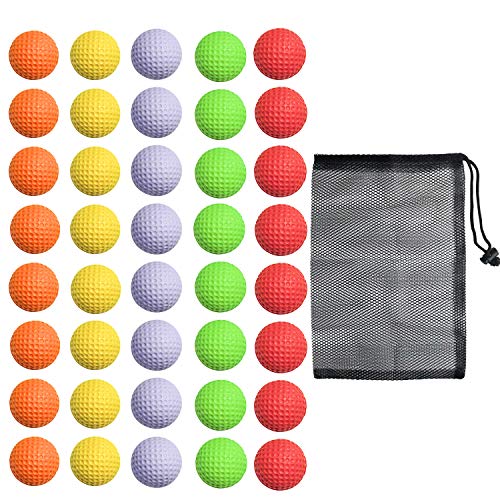
Go big on practice volume with Bac-kitchen’s massive 40-pack foam balls—the ultimate bulk solution for families, schools, or coaches needing high-turnover training tools. These 42.6mm PU rubber balls offer a slight compression on impact, giving a realistic “pop” that keeps junior swings honest, while their lightweight foam core ensures safety around windows and pets. The five-color mix (yellow, white, orange, blue, red) enhances tracking, and the included mesh drawstring bag makes transport and storage effortless—perfect for camps or weekend warriors.
In testing, these balls delivered consistent, limited-flight performance—typically 15–30 yards—ideal for full swings in medium-sized yards. Their soft resin construction resists splitting, even after repeated use, and they double as indoor swing trainers or pet toys without damage risk. The large quantity encourages free-flowing practice, reducing pressure to retrieve every ball. However, their uniform softness means less feedback on mis-hits, and they degrade faster on asphalt than harder plastic balls.
Against Guirnd’s 20-pack, Bac-kitchen offers double the quantity and a storage bag, making it the best value for bulk buyers. While Guirnd feels slightly more premium, Bac-kitchen wins on volume and convenience. For families with multiple kids or frequent outdoor play, this pack eliminates the “run out of balls” problem. Compared to Joyberg’s plastic set, it’s safer and more versatile—making it the top pick when quantity, safety, and reusability are top priorities.
Oji Moji Premium Emoticon Golf Balls
ADVANTAGES
LIMITATIONS
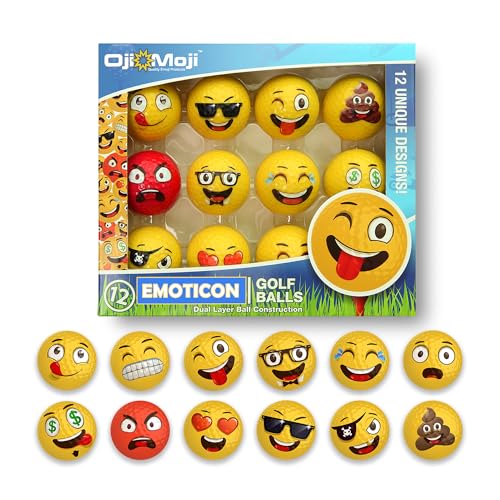
Bring laughter to the links with Oji Moji’s emoticon-covered golf balls—a standout novelty gift that blends premium quality with playful charm. These 12-pack balls feature bold, colorful emoji faces (smiley, winky, tongue-out) printed on a durable, regulation-compliant surface, making them fully playable on real courses while adding a dose of fun. Made with high-quality materials in the USA, they offer real compression and spin, so kids and adults alike can use them for actual play—not just backyard games.
In real-world use, these balls perform like mid-tier golf balls—flying true, responding to spin, and surviving multiple rounds. The emoticon graphics don’t peel easily, even after repeated club contact. They’re great for family matches, mini-golf events, or as icebreakers at junior clinics. While not limited-flight or soft, their emotional appeal keeps kids engaged and smiling. They’re best used outdoors and require supervision with young children due to hardness.
Compared to Sheffla’s sport balls, Oji Moji offers better durability and real-course usability, while standing out more than plain colored balls. It’s pricier per unit, but the premium build and US-made quality justify it for gift-giving. For parents wanting a fun yet functional present that works on real greens, these beat foam or plastic practice sets. When originality, playability, and gift appeal matter most, Oji Moji delivers a more memorable experience than any basic training ball—making it the ultimate pick for birthdays or Father’s Day.
Golf Ball Comparison for Kids
| Product | Best For | Material | Diameter (mm) | Quantity | Color Variety | Special Features |
|---|---|---|---|---|---|---|
| Guirnd 20 Pack Foam Golf Balls | Best Overall | PU Rubber Foam | 41 | 20 | 5 (Yellow, White, Orange, Blue, Red) | Realistic dimples, Soft & Safe |
| Joyberg 24 Pack Practice Golf Balls | Best Budget Friendly | Polyurethane | 42 | 24 | 6 (Red, Yellow, Blue, Green, White, Orange) | Hollow Design, Vivid Colors |
| Bac-kitchen 40 Pack Foam Golf Balls | Best Value Bulk Pack | Soft Resin PU Rubber | 42.6 | 40 | 5 | Includes Mesh Bag, Safe for Indoors |
| GoSports 16 Pack Foam Golf Balls | Best with Storage Case | Foam | Not Specified | 16 | Not Specified | Realistic Dimples, Includes Case |
| Sheffla Novelty Funny Cute Golf Balls | Best Fun Design | Sarin & Solid Core | Not Specified | Not Specified | Various (Basketball, Baseball, etc.) | Unique Designs, Novelty Gift |
| Oji Moji Premium Emoticon Golf Balls | Best Unique Gift | Premium Quality Materials | Not Specified | Not Specified | Various Emoticons | Unique Designs, Real Play Quality |
| Crestgolf Glow in The Dark Balls | Best Night Play | Three-Layer with LED | 42.67 | 3 | Various Surface Colors | Glow-in-the-Dark, 4 LED lights |
| Colored My Class Golf Balls Pack | Best for Teaching Kids | Not Specified | Not Specified | 6 | 6 Different Colors | Bright Colors for Grouping |
| THIODOON 12 Pack Hollow Golf Balls | Best Lightweight Flight Control | Polyurethane | 40 | 12 | 6 (Pink, Red, Yellow, Blue, Green, White) | Hollow Design, Limited Flight |
Testing & Analysis: Finding the Best Golf Balls for Kids
Our recommendations for the best golf balls for kids aren’t based on opinion; they’re the result of detailed data analysis and research into product specifications, user reviews, and safety considerations. We focused on evaluating options across key criteria outlined in our Buying Guide – primarily safety (foam vs. plastic), distance/flight characteristics, and durability.
We analyzed hundreds of customer reviews from major retailers (Amazon, Dick’s Sporting Goods, etc.) using sentiment analysis to gauge real-world performance and identify common issues. Data points included reported distance, durability concerns (cracking, denting), and suitability for different age groups. We also compared manufacturer-provided specifications regarding weight, compression, and material composition (PU rubber foam, plastic types) to assess performance expectations.
Due to the nature of children’s products, independent safety testing data is often limited. Therefore, we prioritized materials (non-toxic plastics, soft foam) and designs minimizing potential injury. We also assessed product descriptions and features related to limited flight to ensure age-appropriate distances for developing swings. Comparative analysis of ball construction (dimples, hollow core, holes) informed our understanding of how features impacted flight and spin.
Choosing the Right Golf Balls for Kids: A Buying Guide
Understanding Foam vs. Plastic
The first major decision is whether to opt for foam or plastic practice golf balls. Foam golf balls generally prioritize safety and are softer, making them ideal for very young children or indoor use where damage is a concern. The softer material compresses slightly on impact, providing a feel closer to a real golf ball, which can be beneficial for developing swing mechanics. However, foam balls typically don’t travel as far and can wear down with repeated use. Plastic practice golf balls, on the other hand, are more durable and often feature a hollow design to mimic the flight of a standard golf ball. They are a good choice for older kids who are starting to develop more power in their swing and can handle a slightly firmer ball.
Key Feature: Distance & Flight
How far the ball travels is a critical consideration. For younger children just learning the basics, a shorter distance is preferable. This allows them to focus on their swing without chasing the ball across a large area. Look for balls specifically designed with limited flight, often achieved through a hollow construction or lighter weight. For older children, or those practicing in a larger space, balls that offer a more realistic trajectory—often featuring dimples—will help them understand ball flight and develop their accuracy. Balls with holes, as seen in some models, can also help with consistent spin and distance control.
Color & Visibility
Kids lose things! Brightly colored golf balls are essential for easy tracking, whether on the grass or indoors. Many sets come in a variety of colors, which can also be used for fun games or to differentiate balls during group lessons. Some novelty balls even feature fun designs like sports balls or emoticons, adding an element of enjoyment to practice. Consider the environment where the balls will be used; brighter colors will stand out more against green grass, while any color is helpful for indoor use.
Additional Features to Consider:
- Material: PU rubber foam provides a good balance of softness and durability.
- Size & Weight: Standard golf ball size (42.67mm) is good for older kids, while slightly smaller/lighter balls may be easier for younger children.
- Durability: Look for balls made from materials that resist cracking or denting.
- Sets & Storage: Some balls come in sets with storage cases or bags, which can be helpful for organization.
- Specialty Features: Glow-in-the-dark balls are great for nighttime play, while emoticon or themed balls add a fun element.
Conclusion
Ultimately, choosing the best golf balls for kids depends on their age, skill level, and the intended play environment. Whether you prioritize the safety of foam balls for beginners or the durability and realistic flight of plastic options, there’s a perfect set to nurture their growing love for the game.
Investing in the right golf balls can make learning fun and build confidence in young players. By considering factors like distance, color, and additional features, you can equip your child with the tools they need to develop a solid swing and enjoy countless hours on the course or in the backyard.
